Blog
Half-and-Half Taco POS: Setup, Pricing, and Common Mistakes
Why double-protein taco pricing is where most POS systems break, how to configure it correctly, and how to stop losing 2-3 points of food cost to bad modifiers.
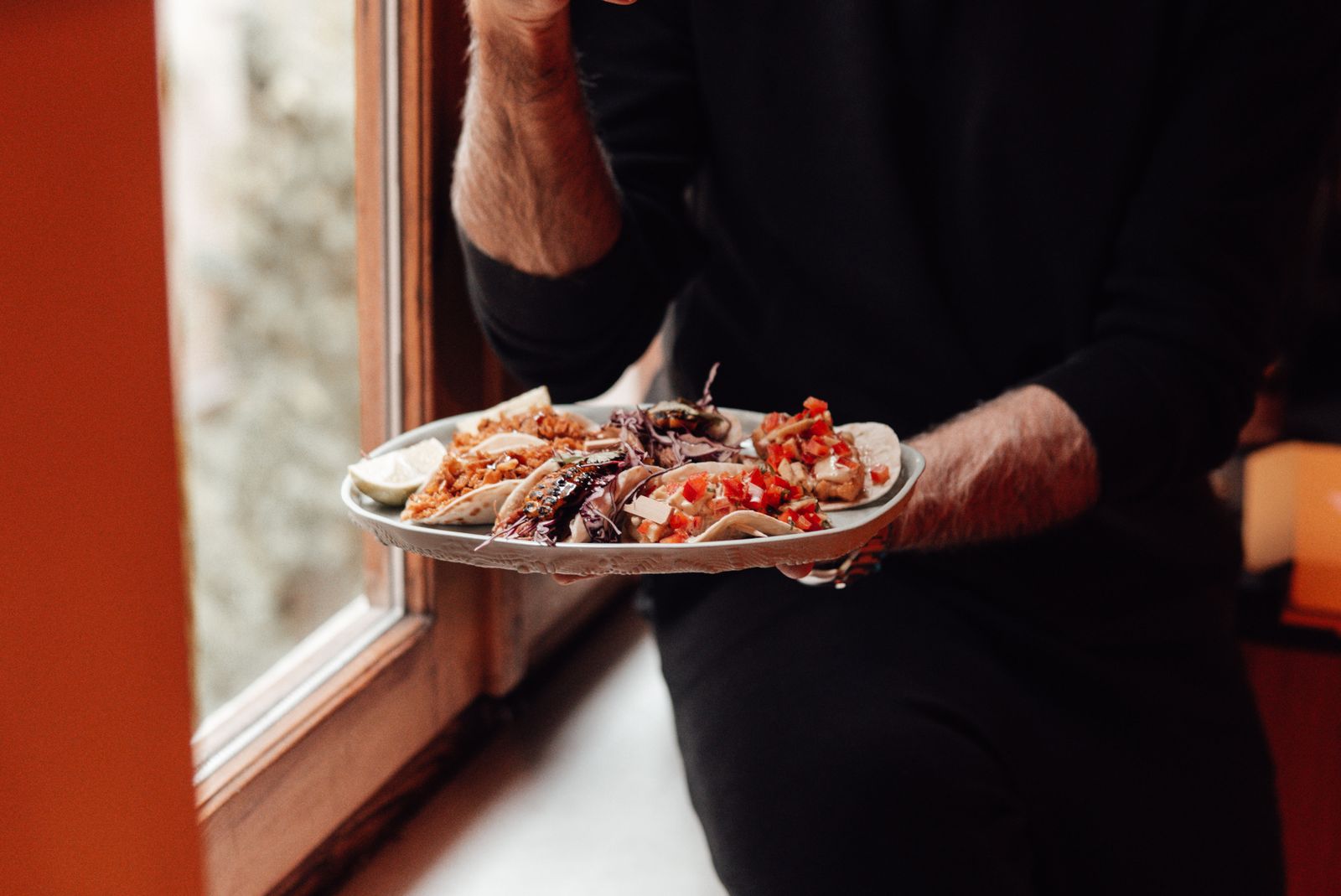
Double-protein tacos are where most POS systems reveal that they were built for burger shops. If your POS is charging one carne asada topping for a pie that’s actually carne asada on one side + supreme on the other, you are eating 2 to 3 percent of your food cost every single day. Here is what a correctly configured half-and-half setup looks like, and where every major POS gets it wrong.
The core problem
A “supreme” taco has 5 toppings. A “carne asada” taco has 1. If a customer orders half carne asada + half supreme, your kitchen is putting 6 toppings on the pie. Your POS should be charging accordingly.
Most POS systems handle this in one of three ways:
The wrong way (Square, most basic systems): Charge the highest single-topping price. Carne asada ($15) + Supreme ($22) becomes $22. Your food cost is right. Your customer is confused (“why did you charge me supreme price?”). Your staff has to explain it every time.
The also-wrong way (some Toast configurations): Charge based on whichever side the customer says first. “Half carne asada half supreme” charges carne asada price. “Half supreme half carne asada” charges supreme. Your food cost is inconsistent. Your staff has arguments with customers.
The right way (well-configured Toast, SpeedLine, Taco Loop): Charge the average of both sides + a modifier fee that reflects the extra topping count. Carne asada ($15) + Supreme ($22) = $18.50 base + $1 half-and-half surcharge = $19.50. Every side charged proportionally, customer sees a fair price, food cost stays accurate.
The Taco Loop configuration
In Taco Loop, every taco item has three configured layers:
1. Base price by size
- Small: $10
- Medium: $14
- Large: $18
- Extra large: $22
2. Topping counts by side
- 1 side = 1 half. 2 sides = whole pie.
- Each side is priced independently.
- Cheese taco = 0 toppings on both sides.
3. Half-and-half surcharge
- $1 for medium, $1.50 for large, $2 for extra large.
- Justifies the extra prep time + wasted trim.
The math on a large half carne asada ($1 topping) + half supreme (5 toppings):
- Half 1 (carne asada): $18 base / 2 + $1 topping / 2 = $9.50
- Half 2 (supreme): $18 base / 2 + $5 toppings / 2 = $11.50
- Half-and-half surcharge: $1.50
- Total: $22.50
Your food cost is accurate. Your ticket makes sense to the customer. Your staff doesn’t have to explain anything.
Common mistakes
1. Not surcharging for half-and-half at all. “We just charge one price.” Fine, but you are giving away $1-$2 per pie in incremental food cost. On 100 half-and-half pies a week, that is $5,000-$10,000/year in unrecovered cost.
2. Charging double for half-and-half. Some shops charge the full topping price on EACH half. Customers push back and you lose the sale.
3. Not applying the surcharge to specialty pies. If a customer wants “half meat lover’s, half veggie”, it should be priced the same as any other half-and-half configuration. Some POS setups forget this and end up charging just one specialty price.
4. Kitchen-side confusion. Even with a correct POS, if the kitchen ticket doesn’t clearly show “left: pep, right: sup”, you get wrong pies. Your KDS ticket format matters as much as your POS pricing.
What we recommend
- Half-and-half surcharge: $1 medium, $1.50 large, $2 extra large
- Topping pricing: average of both sides (not highest, not lowest, not first)
- KDS format: left/right labeled visually, plus a text callout at top of ticket
Taco Loop ships with this pre-configured. If you are on a different POS and want to tighten this up, the biggest single lift is getting the pricing formula right — that alone is worth 2-3 percent of food cost.
Ready to fix your modifier setup?
Book a call. We’ll audit your current POS pricing rules and show you exactly where the food-cost leaks are.